


The Doctrine of Discovery: How a Papal Decree Reshaped the World
Before 1450, the world was vast and multipolar — cultures coexisted in relative isolation, each with its own rhythm. Then a handful of papal decrees changed everything. The Doctrine of Discovery gave Christian empires a divine mandate to seize land, enslave nonbelievers, and erase indigenous worlds. Its echoes still shape modern borders, economies, and faith itself. This article unpacks how a single theological concept became the foundation for global inequality — and why its legacy endures.

The Sackler Family: Wealth, Power, and the Opioid Crisis
The Sackler family and Purdue Pharma stand at the dark intersection of corporate power and public health devastation. As the creators and aggressive marketers of OxyContin, Purdue unleashed one of the most devastating opioid crises in American history—fueling addiction, overdose, and death on an unprecedented scale. The family’s relentless pursuit of profit, cloaked in legal shields and political influence, exposed how wealth can distort justice and silence victims. Their story is a stark reminder: behind every epidemic lies a blueprint of power, marketing, and systemic failure. No mythical villains, just cold, calculated choices with human lives on the line.

Annabelle, Ice-Cream Trucks, and the Summer of Inversion
“Hell is empty and all the devils are here."
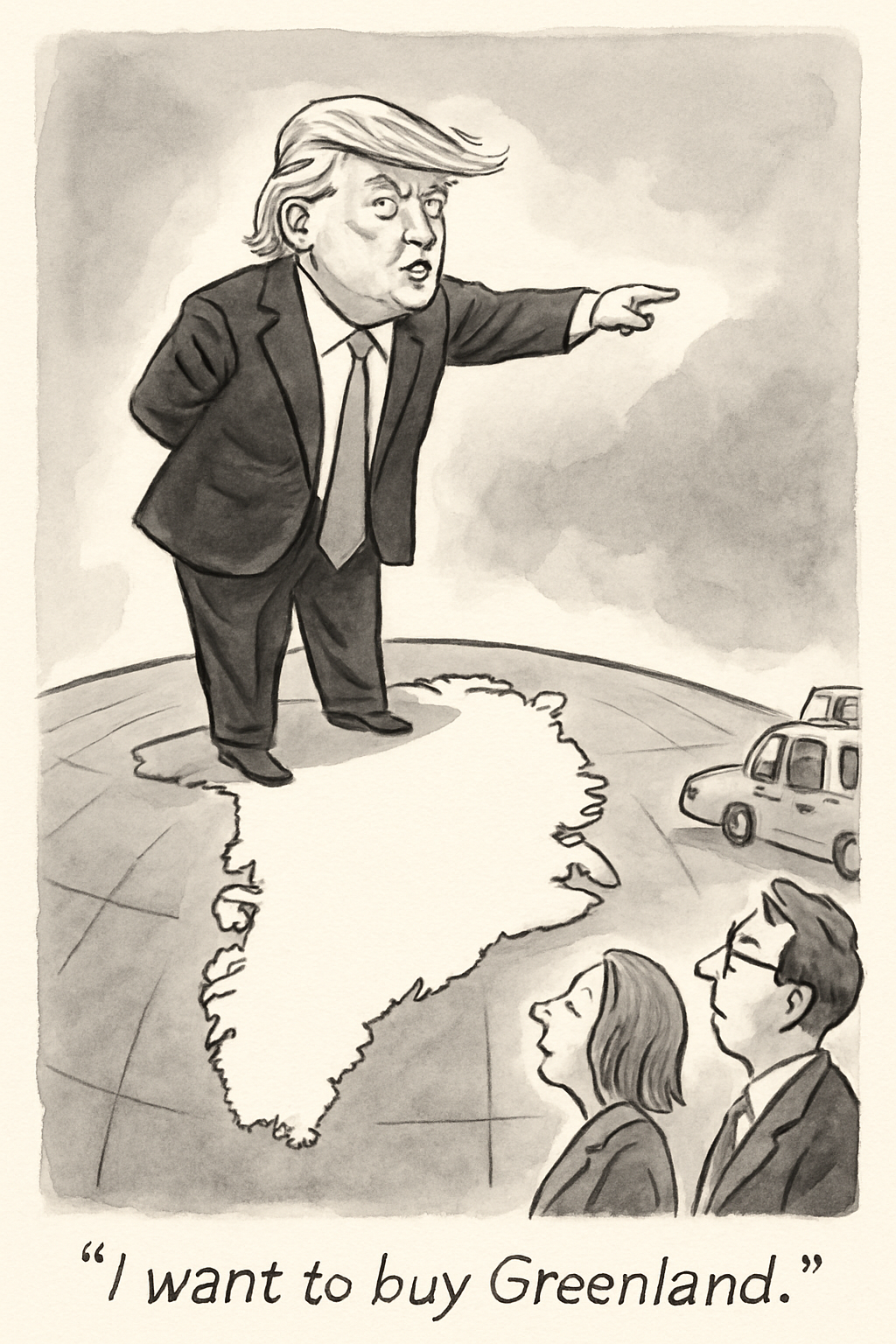
Greenland, Trump, and the Geopolitics of the Arctic
What began as an “absurd” Trump remark in 2019 has become a cornerstone of U.S. Arctic strategy. From blocking China’s rare-earth bids to reopening the consulate in Nuuk and now framing Greenland as a national security imperative, Washington has turned a joke into doctrine.

Spirits as Medicine: The Old World Logic of One Drink a Day
For most of human history, alcohol was less about indulgence and more about survival. Gin began as a juniper tonic prescribed for kidney ailments, whiskey was Gaelic “water of life” used for pain and antiseptic, and wine was a daily safeguard when water could kill you. Monks brewed, sailors rationed, doctors prescribed. What we now call a cocktail was once considered closer to medicine than mischief.
Modern science backs the paradox the old world lived by: in moderation, spirits can act like liquid medicine. One drink a day—no more—can ease digestion, improve circulation, and even reduce stress. Gin remains the most obviously medicinal, a tincture of herbs and roots. In something like the Hudson Cocktail Company’s Basil Crush—gin, lemon, basil, and cane sugar—you get an almost herbal lemonade with a kick: vitamin C from lemon, antioxidants from basil, a clean sweetness from cane sugar, and the juniper’s subtle diuretic properties. It’s indulgence disguised as wellness.
The same logic applies across the bar. Whiskey paired with soda and lemon turns from a heavy dram into a circulatory tonic. Vodka mixed with beet or carrot juice becomes a vitamin shot with a backbone. Rum cut with coconut water hydrates as it enlivens. Even wine, the most studied of all, delivers its famous heart-protecting polyphenols most effectively when sipped with vegetables, olive oil, and lean proteins.
The key is the dose. One glass may be medicine. Three, and you’ve tipped into poison. The old world knew this instinctively. A small daily pour wasn’t meant to intoxicate, but to punctuate: to mark the rhythm of a day, to make a meal more whole, to remind us that pleasure and health can share a glass when balance is respected.
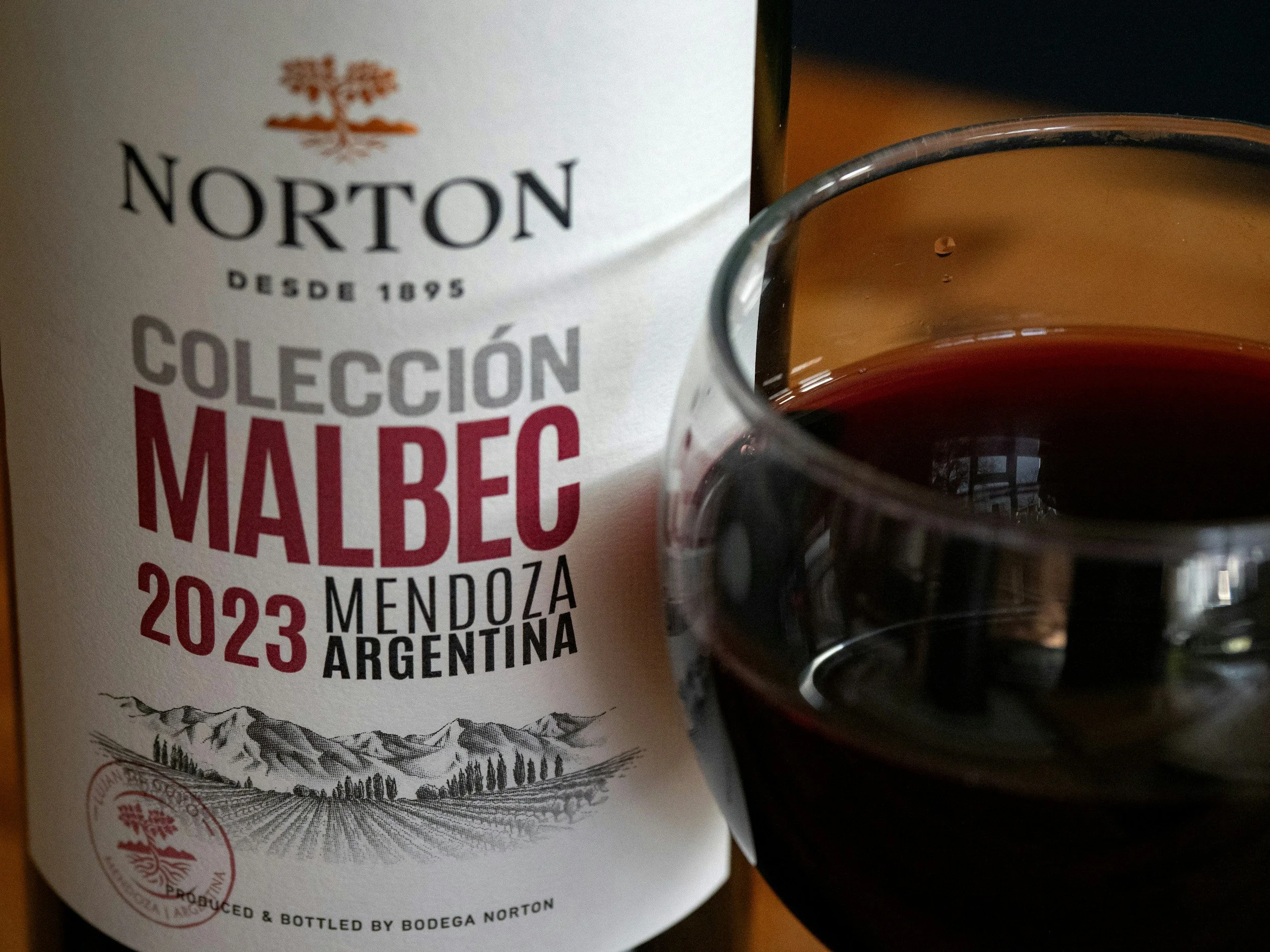
Malbec and the Mathematics of Pleasure
The first thing the Malbec does is darken the room. You pour, and the glass turns the lamp’s light bruise-purple. In that color is the story of a grape that learned to survive the Andes: thick skins, the ultraviolet schooling of high altitude, a shrug of dust off the Uco Valley wind. You take a sip and the day unknots. Call it ritual, call it medicine—either way, wine has always sold us more than a drink. It sells us a promise: that adulthood contains a small, defensible plot of pleasure.
Of course, the twenty-first century is here to tap the sign: there is no free pour. Health authorities now talk about alcohol with the politeness reserved for eccentric uncles at Thanksgiving. The World Health Organization says the risk “starts from the first drop,” especially where cancer is concerned. The CDC repeats the catechism of moderation—two drinks or fewer in a day for men, one for women—and adds a modern coda: even moderate drinking may raise overall mortality risk compared with abstaining. The U.S. Dietary Guidelines take a similar line and remind non-drinkers not to start.
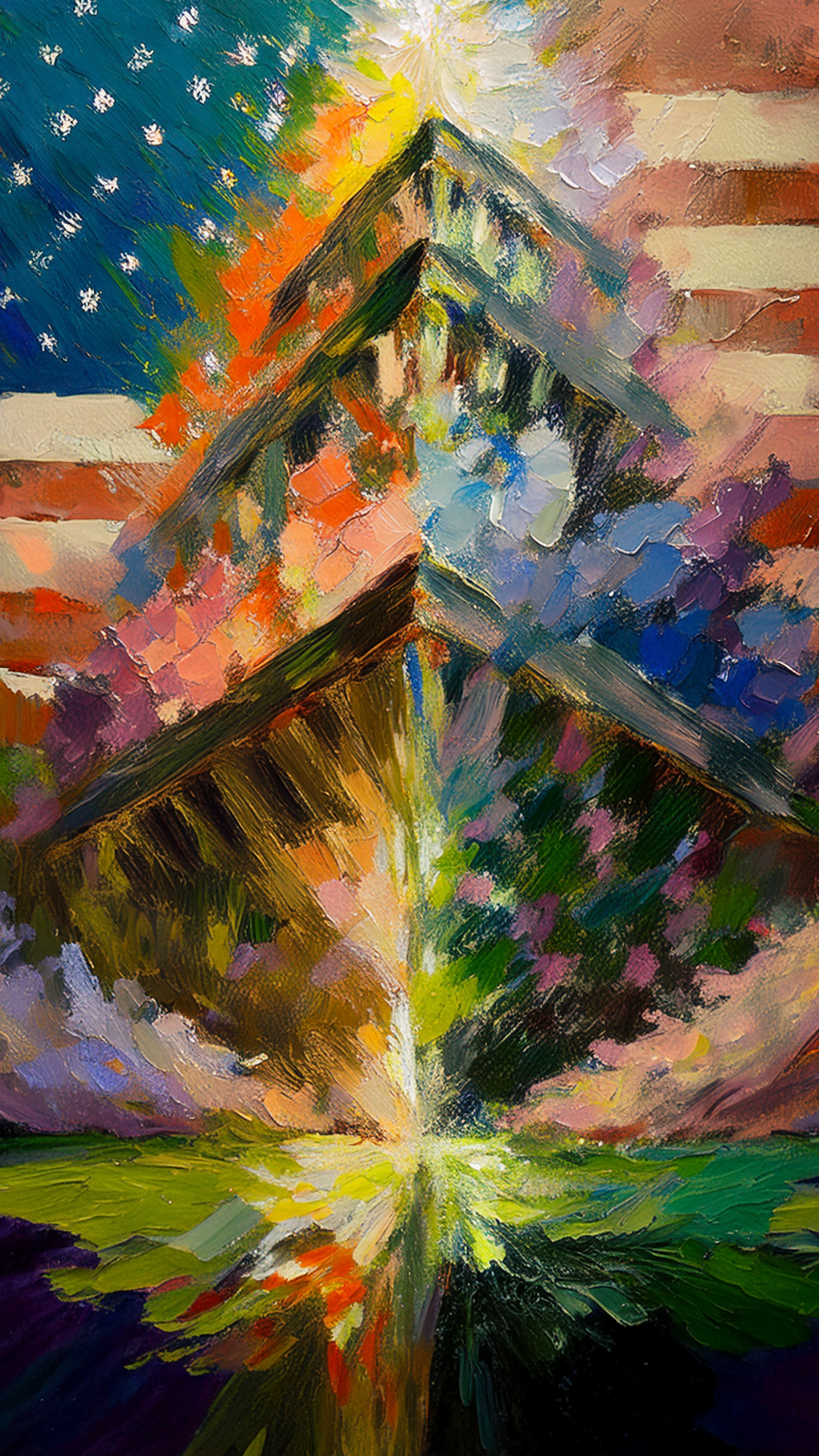
Does America Have a Bright Future? Three Scenarios for 2025–2055
America’s future hinges on three critical variables: productivity growth (especially driven by advances in AI), demographic math (the balance of births and immigration), and the fragile fabric of social trust (which directly shapes governance capacity). I outline three possible scenarios—Renaissance (25% chance), Muddle-Through (55%, the most probable outcome), and Fracture (20%)—each with clear triggers, early warning signs, and actionable policy levers to steer the nation’s course. The evidence is deeply mixed: on one side, we see world-class innovation and promising strides in energy resilience; on the other, persistent structural deficits, underperforming schools, low trust in institutions, and the challenges of an aging population. In other words: the light’s on—but it flickers uncertainly.
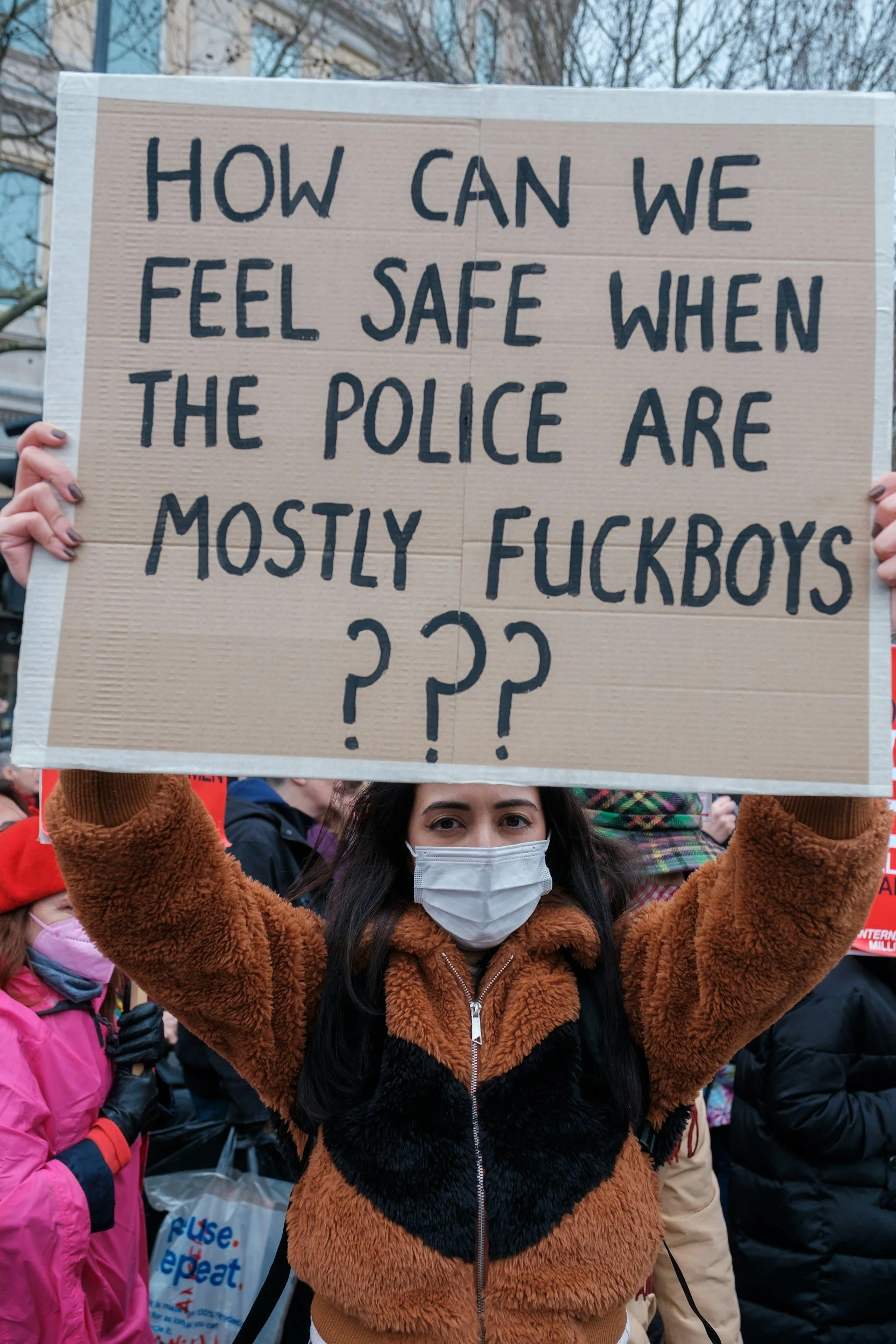
I’m Done With Cop Shows—And Every First-Responder Fantasy
I’m tapping out. Not just on cop shows—on all the first-responder fantasies that flood our screens. The procedurals, the firefighter melodramas, the EMT tear-jerkers that promise drama and heroism at every turn. The entire TV industrial complex that conditions us to see uniforms as halos, as symbols of unquestionable goodness. Yes, there are good people in those jobs. And yes, real crises absolutely demand real help, urgent and skilled. But where I live in New York, the day-to-day reality is often the complete opposite of what TV sells us: slow, sloppy, performative, and too frequently ethically vacant. The hero myth has been twisted into a smokescreen that obscures mediocrity—sometimes something far worse.