The vote was about more than data centers.
By Ellis Ward | November 9, 2026
The story everyone watched was about data centers. Forty ballot measures passed across the country to slow or stop construction projects. Residents organized against the noise, the water consumption, and the electricity demands. It made for striking images and clear narratives about communities pushing back against Big Tech. Writing for Vox on November 7, Sigal Samuel identified a bigger shift beneath those fights: the candidates who actually won on AI issues were the ones promising to regulate the technology itself, not just block construction.
The Data Center Fight Can Only Do So Much
Forty ballot measures against data centers add up to something real. Projects get delayed. Costs rise. Timelines stretch. When one jurisdiction says no, AI companies find another that says yes, typically at higher cost. That friction matters at the margins. But it does not reach the underlying questions of what these systems can do, who controls them, or what happens when they fail or are exploited. Samuel's argument is direct: picking off projects one by one slows the buildout, it does not stop it. The companies absorb the added cost and move on.
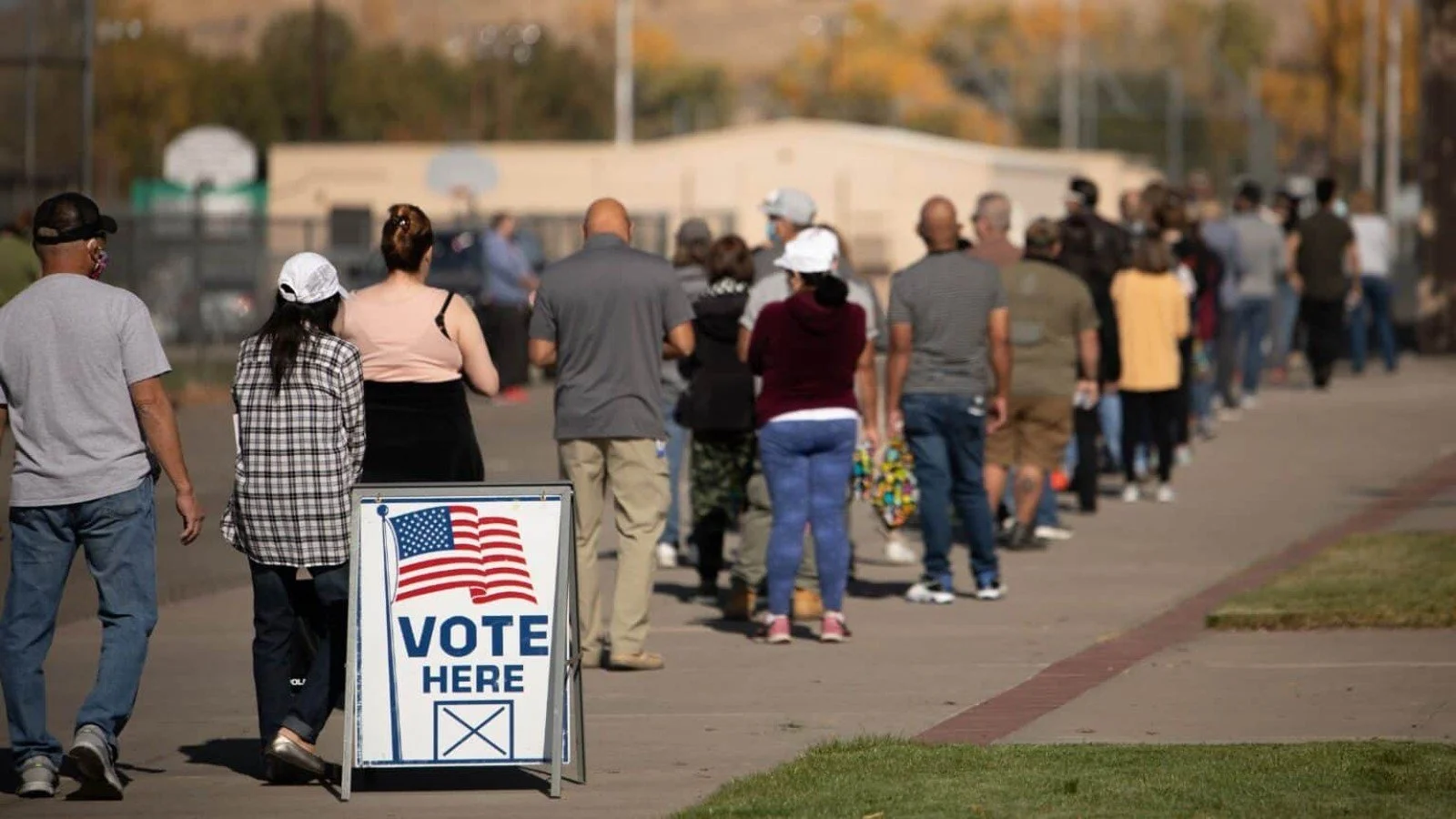
Voters who showed up with regulation on their minds grasped that limit. An exit poll found 56 percent of respondents said AI and data centers were a "crucial or major factor" in their vote for Congress. That is a large share for a technology issue, and the candidates who benefited ran on substantive regulatory platforms, not just opposition to building permits.
The Incoming Class Wants to Regulate the Technology
Democrats' takeover of Congress improves the odds of federal action on AI considerably compared to a hands-off Trump White House approach. The incoming class includes lawmakers who have already sketched specific proposals, and several are positioned to move fast.
Abdul El-Sayed, the Michigan Senator-elect, ran on the furthest-reaching platform: a full pause on frontier AI research alongside the creation of a new federal agency to oversee the sector. He framed the case in terms of systemic risk. Jon Ossoff took a different line, criticizing Silicon Valley companies for warning publicly about the existential dangers of their own technology while continuing to develop it without adequate safeguards.
On the Senate Commerce Committee, Scott Wiener and Maria Cantwell are positioned to lead. Their framework calls for mandatory safety standards, pre-release testing requirements, independent audits, and incident reporting obligations. Those are not vague aspirations. They are the architecture of a regulatory system the industry has not faced in the United States before.
Manny Rutinel, Sam Forstag, and Troy Jackson round out a cohort backing federal AI safety agencies, development pauses, and international accords to coordinate standards across borders. The breadth of agreement across candidates from different states and constituencies suggests the positions reflect voter demand, not just individual conviction.
What the Summer Hacks Changed
Mackenzie Arnold of the Institute for Law and AI offered a direct explanation for why candidates shifted. Candidates grew more "safety-pilled," Arnold said, following the major AI hacks this summer. Those incidents changed the conversation. Cyber vulnerability was no longer theoretical. Voters who had treated AI safety as an abstract concern got a concrete example of what failure looks like, and the candidates responded.
The risk spectrum these lawmakers cite has expanded well beyond cybersecurity. They point to job losses, the use of AI to develop bioweapons, dangerous concentrations of power among a handful of companies, and at the furthest end, human extinction. That range maps closely to the agenda the AI safety research community has argued for years, insisting that regulating individual applications is insufficient. The election brought that argument into the mainstream of Democratic politics.
What 2027 Looks Like in Committee Rooms
A surge of congressional hearings is expected in early 2027. Reporting from both Samuel's piece and the Omitted News synthesis points to potential bipartisan deals, even under the shadow of a presidential veto. The underlying logic holds that some Republican members represent constituents who have felt job losses or the security fallout from last summer, and may find agreement with Democrats on specific provisions.
The Senate Commerce framework, if it advances, would impose obligations that no AI company currently faces in the United States. Pre-release testing and independent audits would create accountability checkpoints the industry has successfully avoided. Whether those provisions survive negotiation, or whether the veto threat kills any bill before it reaches the floor, will define what this Congress actually accomplishes on AI.
The data center fights will continue. Permits will be challenged. Communities will keep organizing. But the more consequential confrontation has moved to committee rooms in Washington, where the people who just won their races are ready to argue about the technology itself.