$63 million bought ten wins out of seventeen.
By Ellis Ward | November 8, 2026
The AI safety side of the 2026 midterms spent more than $63 million. It won 10 of its 17 congressional races. That scorecard, reported by Bloomberg and confirmed by Public First, the pro-regulation super PAC at the center of the effort, is a measured win for a coalition that entered the cycle as the underdog in campaign-finance terms.
As RFTUV reported during election week, two rival networks poured unprecedented sums into this year's races to shape the congressional delegation that will write federal AI rules. The final tallies show both camps claiming victories. They competed on very different terrain.
$63 Million, 10 Seats, and What the Math Means
Public First, the super PAC backed by Anthropic co-founder Dario Amodei and other AI safety advocates, spent more than $63 million across the cycle and backed 17 congressional candidates. By its own figures, reported by Bloomberg, it elected 10 of them.
The money came from multiple directions. Anthropic, the AI safety company Amodei co-founded, contributed roughly $20 million or more. Anthropic employees added approximately $5 million on top of that. Amodei gave $1 million personally, his first campaign contribution of the cycle, according to AI Weekly's summary of Bloomberg's reporting.
A 10-of-17 record is 59 percent. In a field where congressional races turn on factors well beyond any single outside group's spending, that figure matters. Public First did not scatter its money into safe seats. It targeted contested races. Winning more than half of them, in a cycle this competitive, gives the pro-regulation camp a working bloc where it previously had scattered allies.
The Other Side Spent Less and Won More Seats
The rival network tells a different story on the surface. Leading the Future, backed by Marc Andreessen and other tech executives who favor light-touch federal regulation, spent at least $54 million. It saw 41 of its 48 backed candidates win congressional seats. Two races remained uncalled as of this writing.
That 41-of-48 rate looks dominant. A large portion of Leading the Future's spending sat in safe seats, races where the outcome was not seriously in doubt regardless of outside money. The win rate reflects, at least in part, that strategic choice. Public First spent into genuinely competitive fights. Leading the Future spread resources more broadly, including territory where any candidate with the party's backing would likely have won anyway.
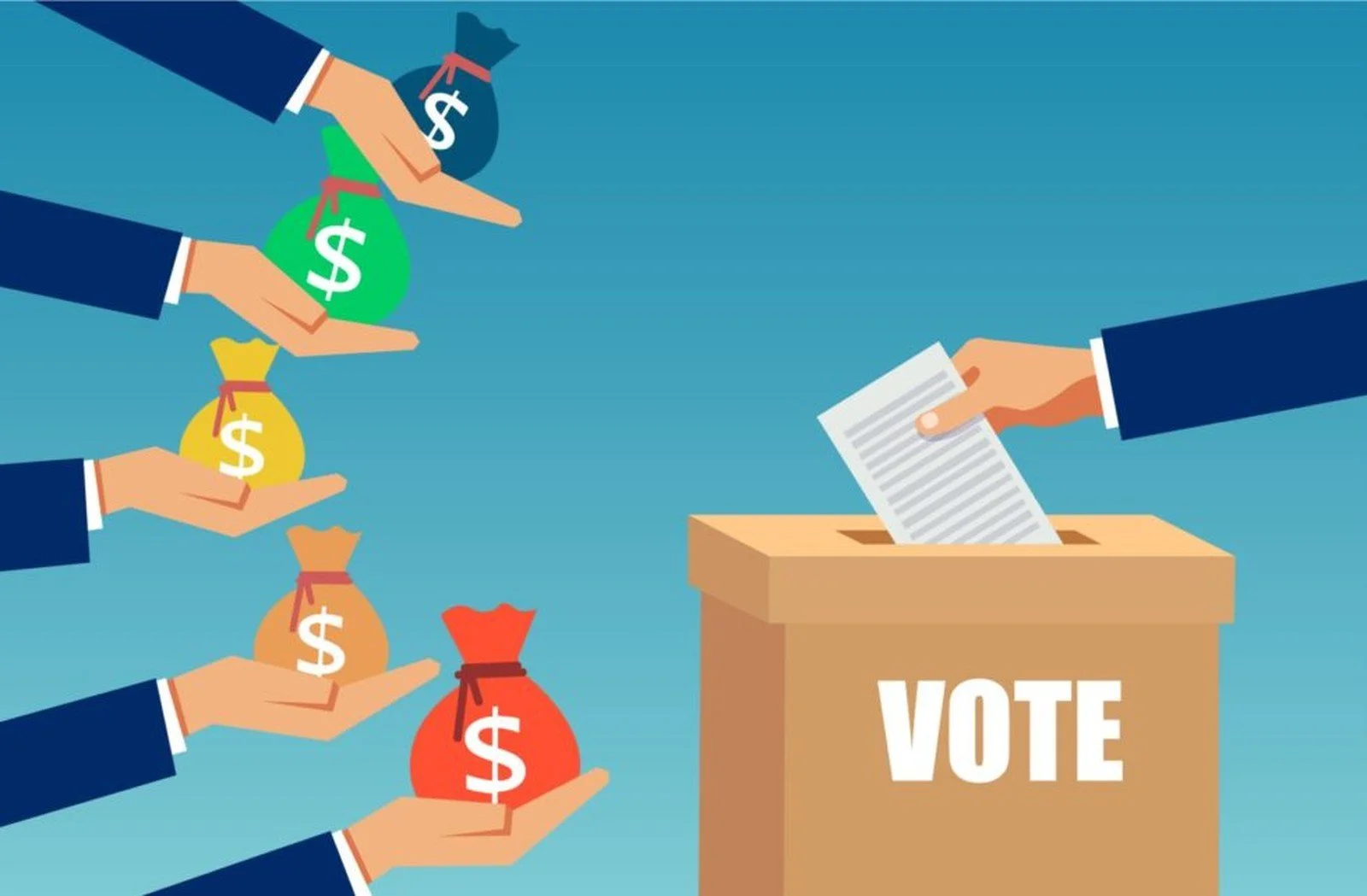
Together, the two networks poured well over $110 million into the 2026 cycle. Bloomberg's reporting frames that total as the headline number: the combined price of both camps buying seats at the table where AI rules will be written.
The $23 Million Primary That Defined the Cycle
No single race captured the collision better than a June Democratic primary in New York. Alex Bores, the assemblyman who architected New York's AI regulation law, ran for Congress. Leading the Future moved $8 million into the race to defeat him. Public First countered with $15 million on his behalf. Together, the two groups spent $23 million in one primary contest.
Bores lost. RFTUV covered the dynamics around that race as part of its broader election-week reporting on AI money and AI regulation in the midterms, and the result illustrated precisely what the light-touch network was willing to spend to block a candidate it saw as a regulatory threat. Public First outspent Leading the Future nearly two to one in that primary and still came up short.
That defeat stings for the safety camp in isolation. The cycle did not turn on one primary. Public First's 10-seat haul across its full slate means the next Congress will include a bloc of members who ran, at least in part, on a platform of meaningful AI oversight.
What Both Camps Actually Bought
RFTUV's earlier coverage, including reporting on the Anthropic IPO and the broader state of AI regulation going into this election, flagged that the central question for 2026 was whether either side could translate money into durable congressional relationships. Both can now claim they did.
The next Congress will have members aligned to both camps inside the room when AI legislation moves. The pro-regulation bloc of 10 is not large enough to pass rules on its own. The light-touch camp's 41-seat haul is not a veto-proof majority for deregulation. AI legislation will require negotiation across both groups.
Bloomberg's framing captures the situation accurately: money bought seats on both sides. The pro-regulation network picked its fights carefully and won more than half of them. The tech-executive network bet on volume and won at a higher rate, partly because it played on easier ground.
The question that falls to the next session is whether 10 is enough to put meaningful language into any federal AI bill. Members backed by Public First will now argue from inside committees, not from the outside. That alone changes the calculus, even if it guarantees nothing.
What $110 million bought in 2026 is a more complicated Congress on AI than the one it replaced. Both camps funded their way into the room. What happens inside is the story that starts now.