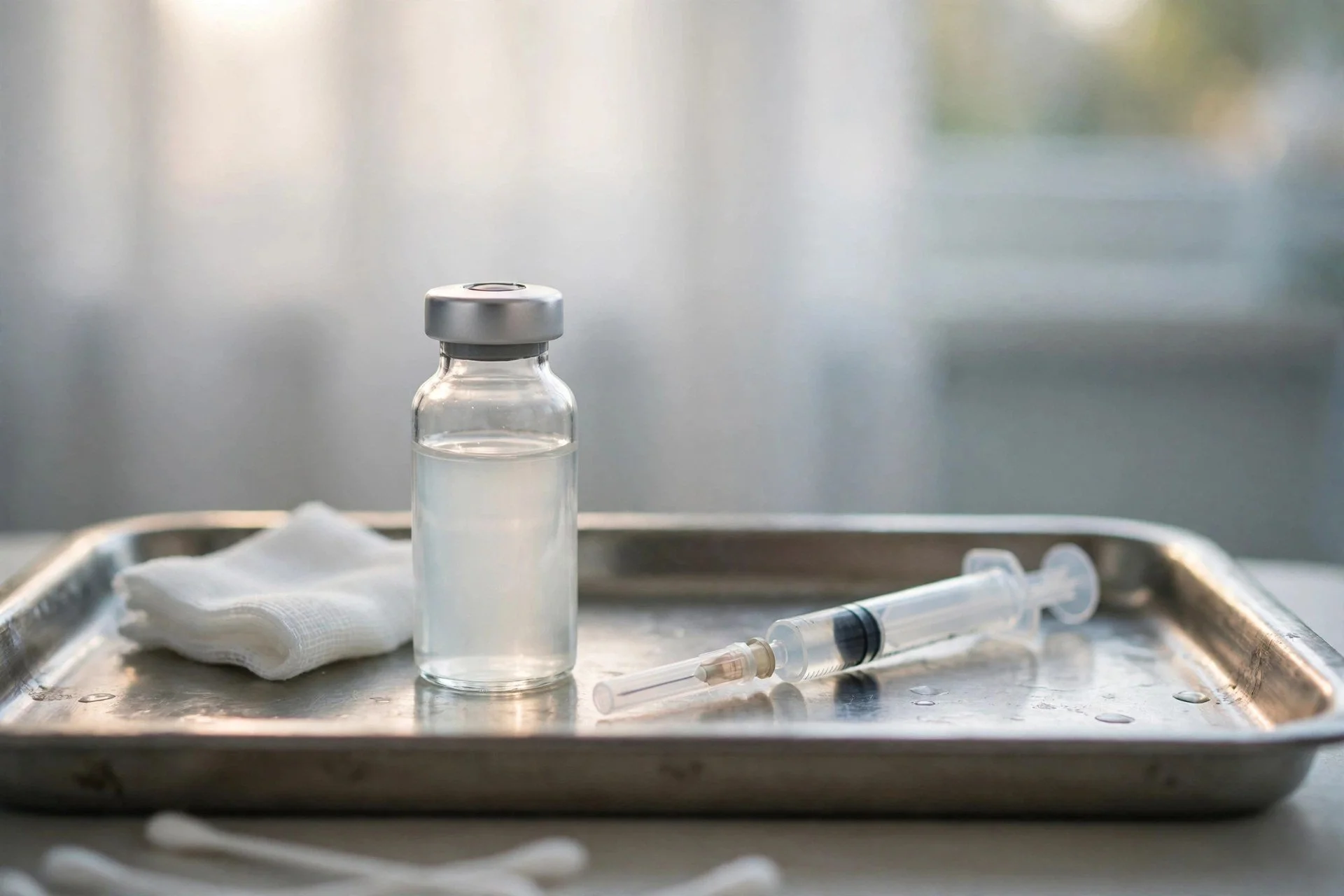
The shot, ready before the holiday.
By Mara Quinn | November 13, 2026
New York's flu season arrived roughly six weeks earlier than it did last year, and the numbers that followed have not been subtle. State Health Commissioner Dr. James McDonald declared flu prevalent statewide in October, well before the virus typically takes hold across New York. Through October 24, the state had logged 10,842 lab-confirmed cases. At the same point in 2025, that number stood at 2,657. The difference - about four times as many infections in the same stretch of the calendar - signals a season that is running well ahead of last year's pace.
A Season That Started Early and Kept Climbing
The state dashboard shows a sharp upward curve through late October. The week ending October 24 brought 4,172 confirmed cases, a 13 percent increase from the week before, along with 326 hospitalizations - a 40 percent jump. The following week, the numbers accelerated further.
The week ending October 31 recorded 7,696 lab-confirmed cases, a 77 percent surge from the prior week. Hospitalizations climbed to 688. Those two weeks pushed the season's cumulative confirmed case total to 18,739. The counties reporting the highest case counts for the week ending October 31 were Kings, Queens, New York, Bronx, and Westchester.
Young children carry the highest case rate per population, according to the state dashboard. That age pattern has held through the early weeks of the season and makes household transmission especially likely when school-age children bring the virus home.
Vaccination Coverage Falls Far Short
Despite the surge, vaccination rates have not kept up. About 18 percent of eligible New Yorkers had received a flu shot at the time of the October state report. Adult coverage stayed below 50 percent in later reporting, meaning the majority of adults in New York have not yet been vaccinated this season.
That gap matters especially now, because the flu vaccine takes about two weeks to reach full effectiveness. That timeline runs directly into Thanksgiving. With the holiday less than two weeks away, anyone vaccinated this week will only approach meaningful protection around the time families gather. Anyone who waits further risks arriving at the holiday still unprotected.
The CDC recommends an annual flu vaccine for everyone six months and older. In New York, the vaccine is available to residents ages two and up at participating pharmacies without a prescription. No appointment is needed at most locations.
A Hudson Valley Clinician on What the Early Start Means
Erin Black, a family nurse practitioner at WMCHealth Margaretville Hospital, spoke with Radio Catskill on November 10 about what the season's early arrival means for the Hudson Valley. Her read was measured. An early start does not automatically signal a more severe season, she said. But timing still matters. With cases running about four times above last year's pace at this point in the season, residents should not assume they have weeks to spare before getting vaccinated.
Black also flagged that COVID-19 and RSV remain active this fall alongside influenza. Both viruses can cause serious illness, particularly in elderly individuals, infants, and people with underlying health conditions. All three viruses share overlapping symptoms, which can complicate self-diagnosis and delay care for those who need it most.
Warning Signs That Call for Immediate Medical Attention
Knowing when to go to the emergency room matters as case counts rise. The state lists several warning signs for adults: difficulty breathing, chest pain, confusion, or symptoms that appear to improve before getting worse again. Any of those should prompt immediate medical attention.
Children present different red flags. Parents should watch for rapid breathing, unusually low urination, excessive sleepiness, or a fever above 104 degrees. If any of those signs appear, the child needs to be seen by a medical professional right away.
Staying Home and Slowing Spread
Flu symptoms typically develop within two to three days of exposure. The state recommends that anyone who tests positive or develops symptoms stay home, cover coughs and sneezes, and clean and disinfect frequently touched surfaces. Those steps reduce transmission and protect households and workplaces before the holiday season brings more people together indoors.
With cumulative cases about four times above last year's count at this point in the season, and adult vaccination coverage still below half, the trajectory of this flu season may depend on how many New Yorkers get vaccinated in the coming days.