The gavel comes to Brooklyn on January 3.
By Mr. Brown | November 7, 2026
A Brooklyn Democrat at the Top of the Line
When the 120th Congress convenes on January 3, 2027, Hakeem Jeffries of Brooklyn is expected to be elected Speaker of the House. If the vote proceeds as anticipated, he will become the first Black Speaker in American history. Reuters has reported that he is on course to be both nominated and elected when the full House meets to open the new session.
That outcome follows the Democratic Party winning the House majority in the November 3 midterm elections. Jeffries, 56, has led the House Democratic caucus since late 2022. AP has reported that he is on the cusp of making history. The majority that Democrats won this month makes the vote possible.
The Office
The Speaker of the House is the only congressional leadership position required by the Constitution. AP has reported that distinction. No other House or Senate title carries a constitutional mandate. In practice, the Speaker controls the chamber's floor schedule, shapes committee assignments, and determines what legislation receives a vote. That control over the schedule is not administrative routine. It is substantive legislative power: Jeffries will decide which bills the House considers and when.
The position also places its holder second in the presidential line of succession, behind only the Vice President. Reuters has noted that Vice President JD Vance currently holds that prior position. Were circumstances to require it, Jeffries would stand next in line.
Jeffries would succeed Republican Speaker Mike Johnson and become the first Democratic Speaker since Nancy Pelosi. Pelosi stepped aside from Democratic House leadership in late 2022. When House Democrats chose Jeffries on November 30, 2022 to succeed her as caucus leader, he made history that day as well. He became the first Black person to lead either party in either chamber of Congress, according to Reuters.
Thirteen Years in the Chamber
Jeffries was born in Brooklyn. He is 56. He trained as a lawyer at NYU and has served in Congress since 2013. Those thirteen years in the chamber preceded his rise to leadership.
Reuters has described him as a consensus-builder. That characterization carries weight. The House Democratic caucus spans a wide ideological range, and maintaining that coalition across those differences defines the job. His path from freshman member to caucus leader to Speaker-designate ran through that work consistently.
AP has noted a less expected dimension of his public presence. Jeffries works old-school hip-hop references into floor remarks and public addresses with regularity. The habit is consistent enough to be recognized as a signature. It reflects the Brooklyn in him, and it has become part of how colleagues and observers recognize his voice in a chamber where most senior members present with stricter institutional formality.
The Weight of 1870
The vote set for January 3, 2027, will close a distance measured in generations.
Joseph Rainey of South Carolina was born enslaved in 1832. On December 12, 1870, he was sworn in as a member of the House of Representatives, becoming the first Black lawmaker to serve in that chamber. In May 1874, he presided over the House as Speaker pro tempore, the first Black lawmaker to hold the gavel. AP and historical coverage have documented both of those moments.
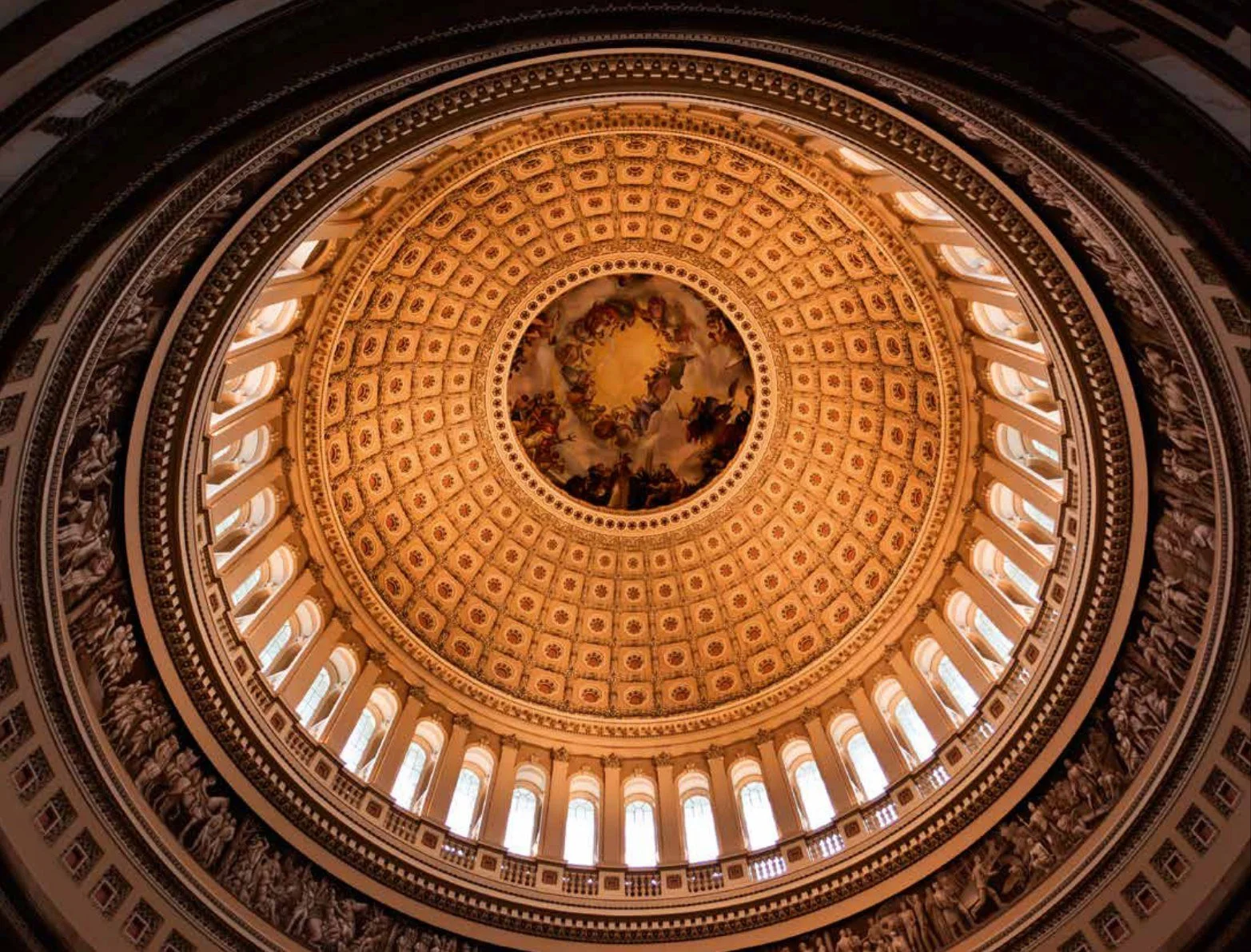
The building in which those moments occurred carries its own history. The Capitol, AP has reported, was built in part by enslaved African Americans. The institution where Jeffries is set to hold the highest legislative office was constructed by people who had no civic standing, no franchise, no claim on the government their labor helped to house. That fact is not incidental to the story of January 3. It is the story's floor.
Rainey's time in the Speaker's chair as pro tempore was measured in hours. The speakership Jeffries is set to hold is the full office: the named Speaker, elected by the full House, with the constitutional weight the role has always carried.
November 3: A Day of Records
The midterms produced results beyond the House majority. USA Today reported that November 3 brought a cluster of historic firsts across the ballot.
Among them: Keisha Lance Bottoms of Georgia was elected governor, becoming the first Black woman to hold that office in the state. USA Today described the broader picture as a day on which multiple records fell, not an isolated outcome concentrated in a single race.
The Jeffries speakership arrives within that larger pattern. The 2026 midterms set up several first-time markers in American political history. January 3, 2027, will add the one at the top of the legislative branch.
Priorities for the New Congress
Jeffries has spoken about what he intends to do with the speakership. The Source, covering his remarks, reported that he called the election result a "great American comeback." He identified two priorities for the incoming Congress: affordability and congressional oversight of the Trump administration.
Oversight is a consequential commitment for a Speaker. The position carries control over committee gavels, hearing schedules, and subpoena authority. A Speaker who names oversight as a priority has the institutional tools to pursue it. Whether that pursuit produces results will depend on specifics that Jeffries has not yet laid out in detail in the reporting available from The Source.
What he has offered publicly is a frame, not a legislative agenda. The specifics will follow in the months between November 3 and the opening of the 120th Congress. The majority is won. The vote is scheduled.
The gavel passes on January 3, 2027. Hakeem Jeffries will be the first Black American to hold it.