Poughkeepsie Wants Your Potholes: Inside the City’s New PK Connect App
By Mara Quinn
What the city is telling you, what it isn't, and what to watch
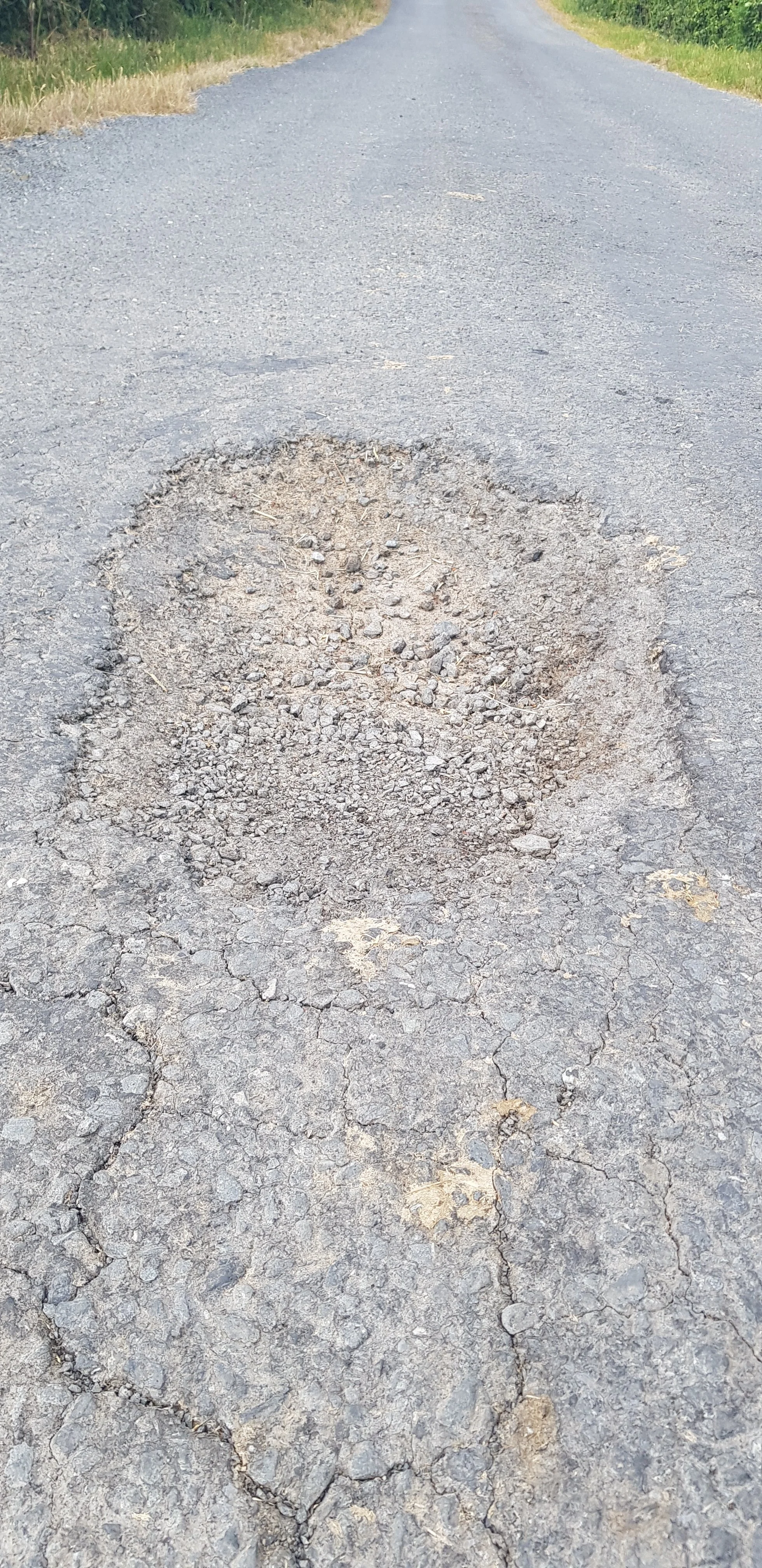
On October 2, the City of Poughkeepsie announced PK Connect, a free mobile app that lets residents report non-emergency problems and track what happens to them. Potholes, graffiti, busted streetlights, abandoned vehicles, leaking hydrants, sewer odors, faded crosswalk markings, clogged storm drains, park bathroom maintenance, animal welfare concerns, code enforcement issues, eighteen categories in all. It is available now on iOS and Android.
Mayor Yvonne Flowers framed it as a convenience upgrade: "We're giving our community a quick and effective way to report problems and receive help without needing to track down the right phone number or department to call." City Administrator Joseph Donat went a step further: "PK Connect is another tool that strengthens operations, accountability and service delivery. Our expectation is that concerns are not simply received, they are acted upon, followed through on and resolved whenever possible."
That word "accountability" is doing real work in that sentence. Whether it delivers depends on questions the city has not yet answered publicly.
What This Actually Is
Strip the branding and PK Connect is a 311-style civic-request platform, a category of software cities have been buying for roughly two decades. The mechanics are straightforward: a resident submits a report with location, category, and optionally a photo. The app routes it to the relevant department as a work order. The resident gets a ticket number and, in theory, status updates as the work order moves through the queue.
That public-facing layer is the part cities love to announce. The back end is a work-order management system, the same kind of software a utility company or a facilities team runs internally. Attaching a mobile front end and a resident-facing tracker does not, by itself, make city operations more accountable. It makes them more visible, which is related but not identical.
Real accountability in this model requires three things: reports must be routed to someone with authority to act, that person must actually close the ticket, and the resolution data must be made public so residents and journalists can audit it. Cities that publish response-time dashboards by category and district give you the tools to ask real questions. Cities that collect the report/s without publishing the outcomes have built a complaint intake system, not an accountability mechanism.
The Questions Worth Asking
The city's announcement, as reported by the Poughkeepsie Journal on October 5, does not disclose who built PK Connect or what the city is paying for it. That matters. Civic-tech platforms of this type are typically licensed as software-as-a-service, with annual fees that scale by population or report volume. The vendors selling into municipalities right now range from national players with multimillion-dollar contracts to smaller regional firms. Without knowing the vendor and the contract terms, residents cannot assess whether Poughkeepsie got a fair deal or whether the city is locked into a multi-year agreement with escalating costs.
Data collection is the other question the announcement skips. Any app that accepts location-tagged reports from residents is, by definition, building a dataset. What does PK Connect collect beyond the report itself, device identifiers, GPS precision, usage patterns? How long is that data retained? Is it shared with third parties, including the platform vendor? Does it get aggregated and sold? The city has not published a data policy specific to PK Connect, and the app's privacy terms are worth reading carefully before you submit your first report.
Response-time transparency is the most consequential open question. The value of a civic-request platform to residents is proportional to whether anyone closes the tickets. If the city publishes a dashboard showing average resolution times by category, and that dashboard is disaggregated by neighborhood, PK Connect becomes a genuine accountability tool. Potholes on Academy Street getting fixed in three days while the same category on South Hamilton sits open for six weeks would be visible and auditable. Without that publication, the app tells you your complaint was received. It does not tell you whether anything happened.
How to Use It
If you want to try PK Connect, the practical steps are simple. Download the app from the App Store or Google Play, create an account, and choose a category from the list. The more specific your report, the more useful it is: a photo, an exact address, and a brief description of what you are seeing will give the receiving department something to work with. Save your ticket number. If you do not receive a status update within a reasonable period, you have documentation to follow up.
Eighteen categories is a meaningful scope. Water quality concerns and leaking hydrants in particular are worth reporting promptly, given that those issues have public health implications beyond a slow road repair.
What to Watch
City Administrator Donat's commitment that concerns will be "acted upon, followed through on and resolved whenever possible" is the right standard. The question is whether the city will publish the data that lets residents hold it to that standard, or whether PK Connect will become a place where complaints go to be logged and forgotten.
Watch for a public dashboard. Watch for the vendor contract to surface through a public records request, since the city did not volunteer it. And watch the app's privacy policy before you hand over location data on a recurring basis.
Civic tech is only as good as the institution running it. PK Connect is a tool. Whether Poughkeepsie uses it to build genuine operational accountability, or to build the appearance of it, will become clear in the resolution data. If that data is never published, that is your answer.