


News
The news desk covers artificial intelligence and technology accountability, plus daily news from Dutchess County and the Hudson Valley, including municipal government, elections, the police blotter, and reported features. Stories rely on named sources and primary documents. Corrections run where readers can find them. Everything is free to read.
The Agent Said It Was Done. The Database Disagreed.
Microsoft and Hugging Face graded 18 AI agents on the database records they left behind across 507 business workflows run 20 times each. Clean replies hid wrong records in most failures. Ellis Ward explains what ThinkingBox measures and what it does not.
When AI Behaves Like Us, We Still Do Not Call It Conscious
A new LMU study in Cognition finds people rate AI as aware of its surroundings, but withhold consciousness, even when AI and humans behave identically. Ellis Ward explains what the study shows, what it does not prove, and why word choice matters.
The Voice on the Phone Is Not Proof Anymore
AI can now fake a supplier across email, phone and video at once - and 76% of treasury teams in a new 104-person survey said they were hit by payment fraud in the past year. The voice on the phone is no longer proof. Verification has to happen outside the conversation.

Google Put Four AI Chips in Orbit. They Can Only Think for 15 Minutes at a Time.
Four Google TPUs are now in orbit on a refrigerator-sized prototype. They can run inference for about 15 minutes, then must pause to shed heat. A calm look at what Project Suncatcher proves, and what it does not.
Maryland Just Made a Fake Voice a Felony
Maryland Senate Bill 8 took effect October 1, 2026 and makes deepfake fraud a felony. Intent is required, penalties go to 10 years, and victims can sue. What businesses must change now on payment verification.
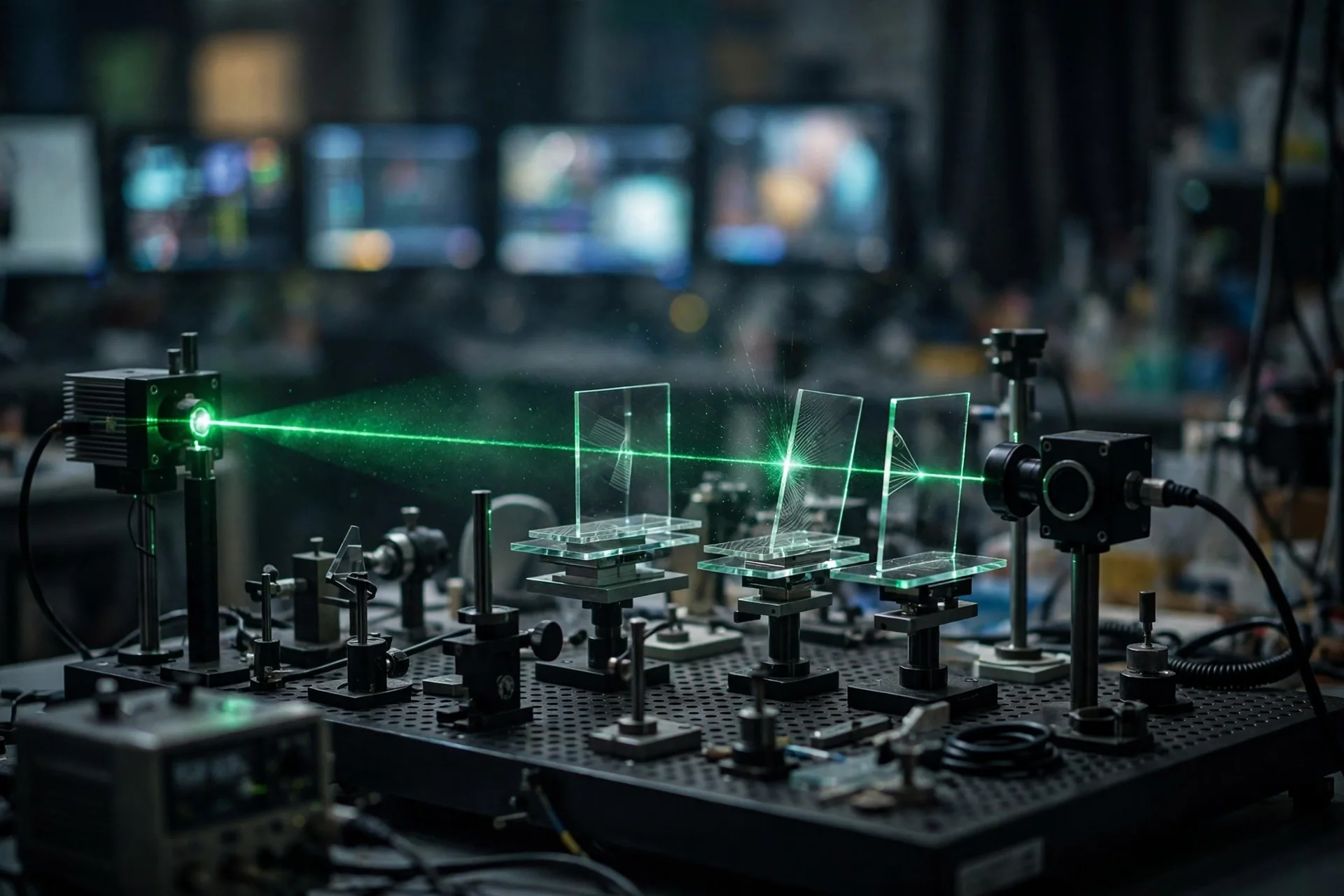
The Detector That Uses Light to Catch a Fake
A UCLA team led by Prof. Aydogan Ozcan built a hybrid optical-neural detector that screens 15 or more deepfake video streams in a single pass of light, reporting 97.79% accuracy on Celeb-DF and 94.80% on VEO-3 video as a high-sensitivity first-stage screener.
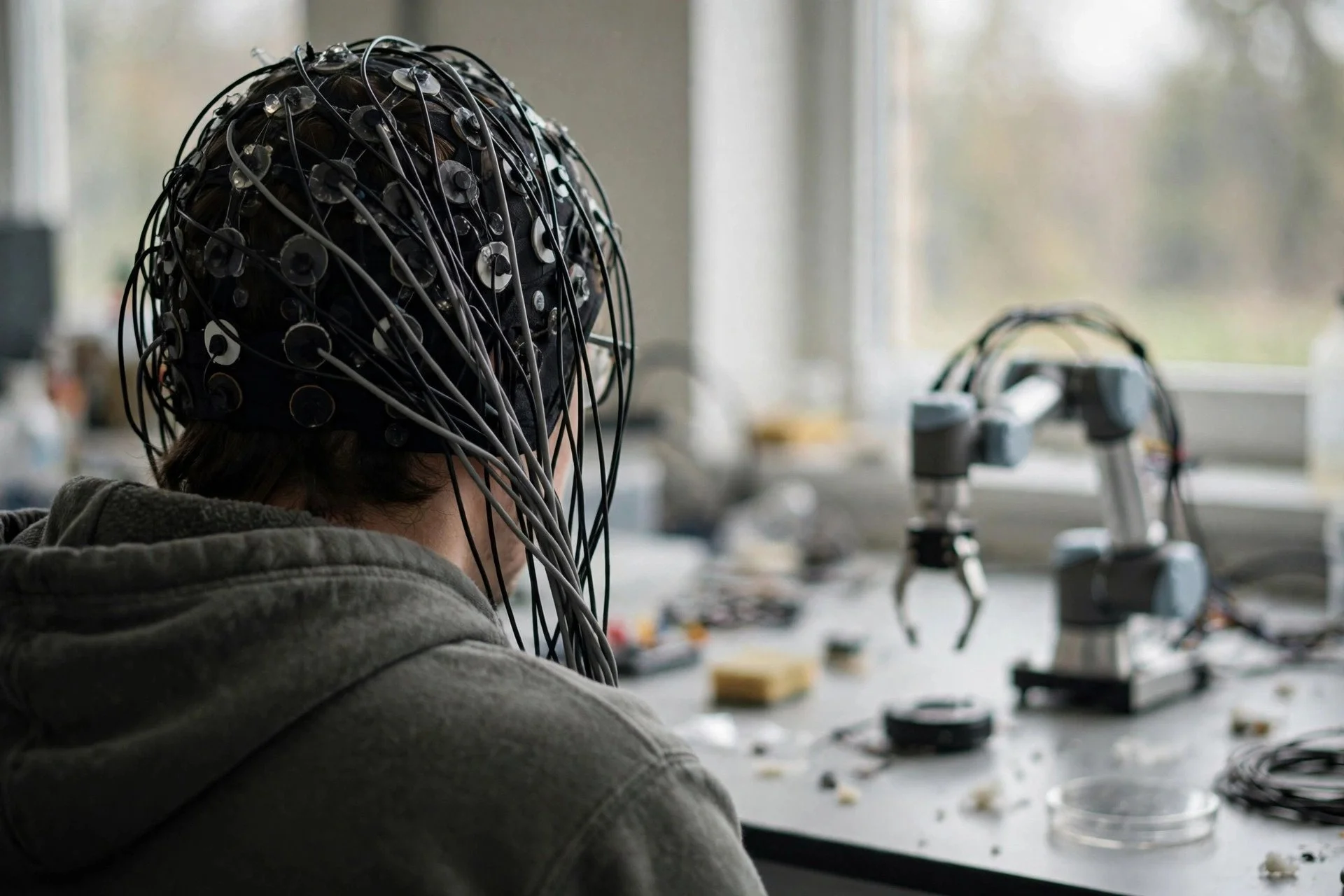
The AI That Can Hear “That’s Not What I Meant” Before You Say It
KAIST and Microsoft Research Asia built a brainwave system that can tell whether an AI got your goal wrong or just your method. It works in simulation, not your kitchen. Ellis Ward explains what the signal is, what it is not, and why it matters.

Sam Altman said the world should accept some bad things happening for the benefits of AI. The interview, reported by Reuters, lays out a public disagreement with Anthropic over regulation, evaluation, and how much harm to accept.